PRODUCTION & TECHNOLOGY

K Wooden Homes 

HOW YOUR WOODEN HOME ACTUALLY GETS BUILT

let's just be honest about it. Building a custom wooden home is part craft, part science, and part organized chaos. Here's what actually goes on day-to-day basis.

DESIGN PHASE

You come to us with ideas. Maybe you’ve got Pinterest boards, or you sketched something, you just know you want “something cozy but modern.” All good starting points.

Our job is to take that and make it work in real life. Because here’s the thing—that beautiful floating staircase you saw online? It needs support. That huge open living room? The roof still has to rest on something for structural stability.

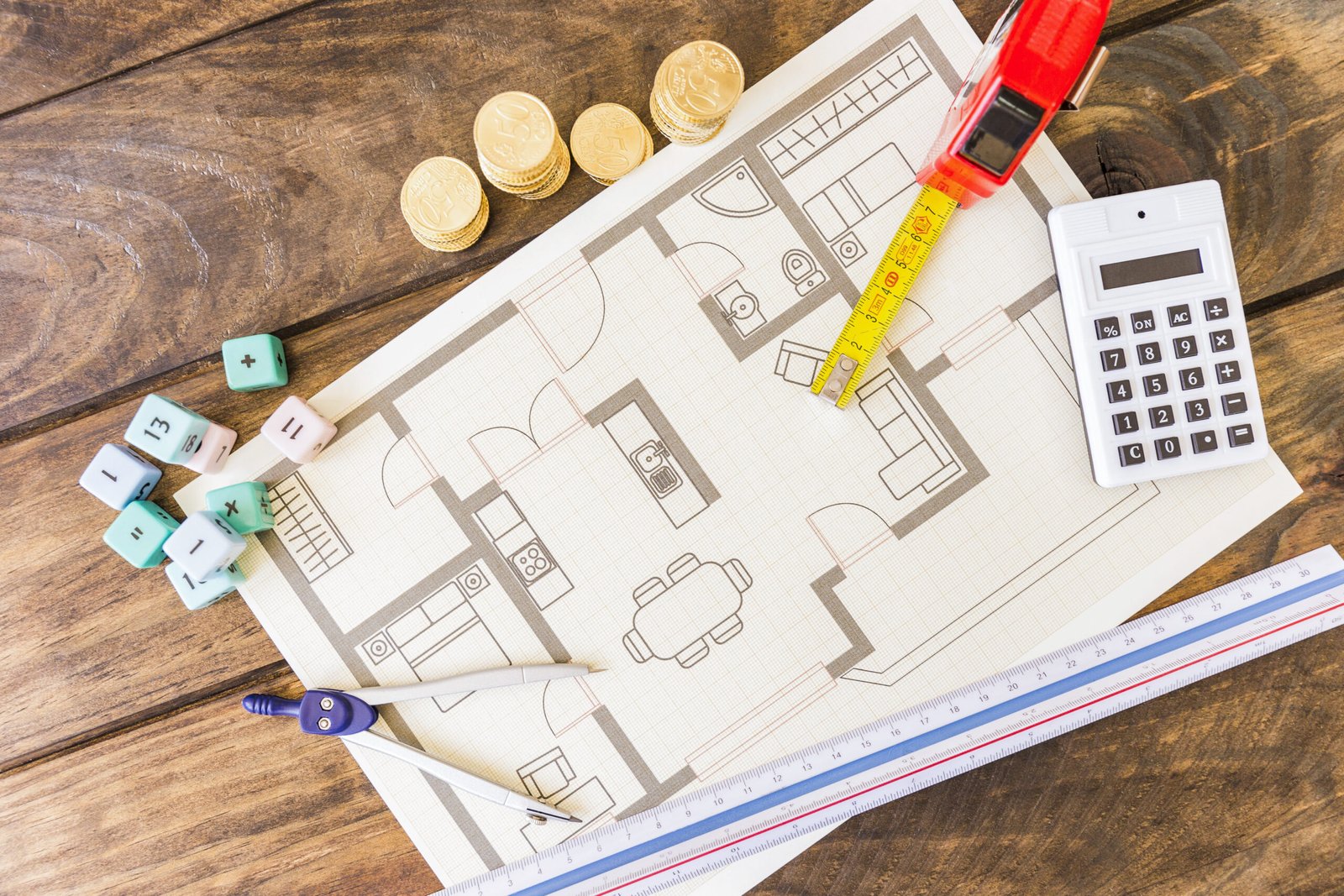
We sit at computers using design software, drawing your home in 2D, which is wild. It helps you see if that kitchen really feels too small or if the master bedroom gets enough space.

Behind the scenes, our engineer is doing math. Lots of math. Making sure walls can handle the weight, that nothing’s going to sag or crack, that your home will still be standing strong in 35 years.

Real talk: This part can feel slow. You’re excited, we get it. But trust us—finding a problem now when we can fix it with a mouse click is way better than discovering it when your walls are already up.
CHOOSING RIGHT MATERIALS

Choosing right Materials Actually Matters

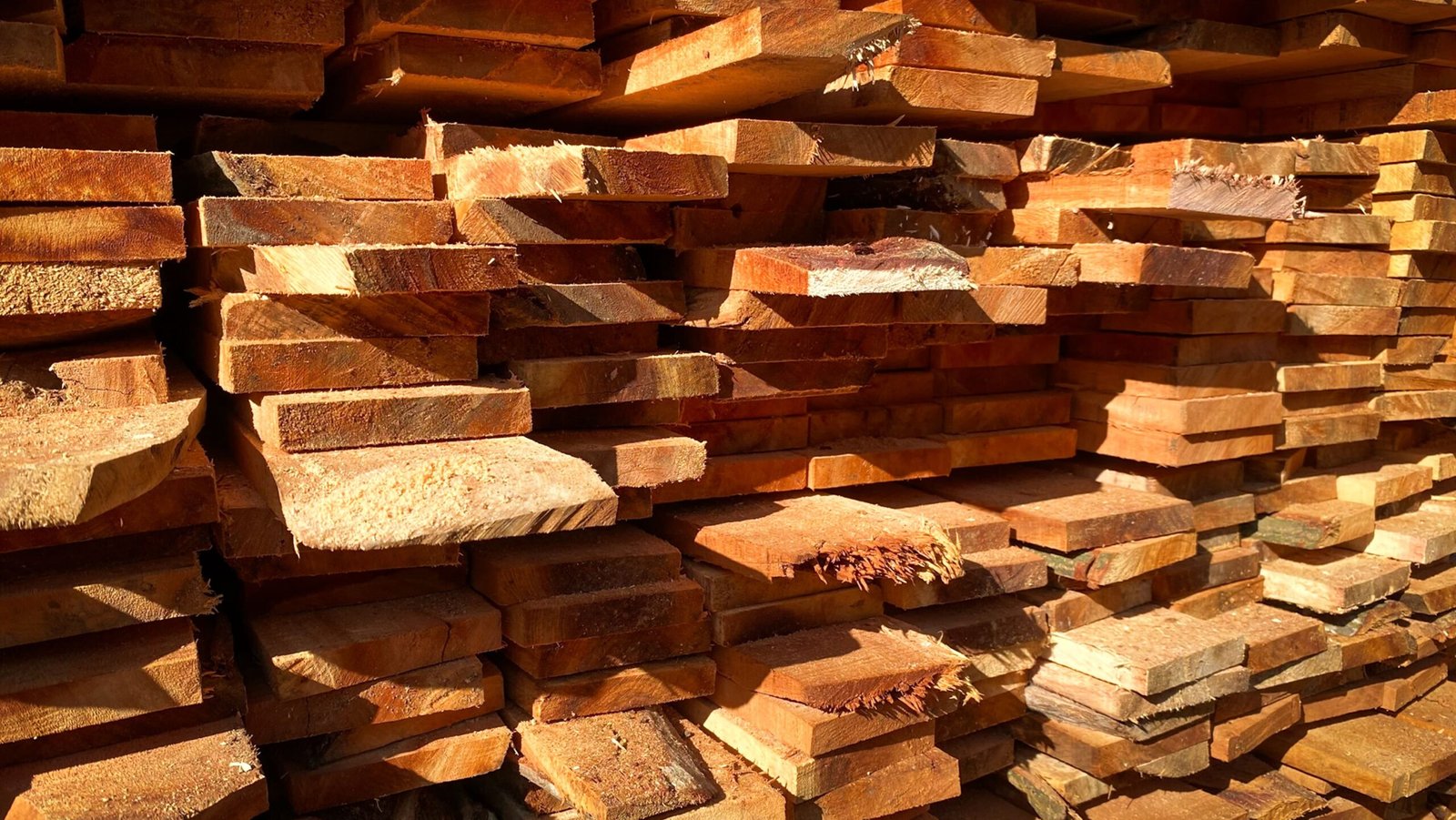
Not all wood is the same, and we learned this the hard way years ago. These days, we’re pretty particular about what we use and where it comes from.

Here are the basics of the selection of wood:

Some woods are workhorses like SPF[spruce pine and fir ]. They’re proven good for Indian challenging climatic conditions, easy to work with, perfect for framing and load bearing. So we use it outside and inside a lot.

We test the moisture content because nobody wants their beautiful new walls to warp six months after move-in. Been there, fixed that, never again.

A lot of our Canadian, Swedish, UK, German suppliers are logging responsibly now, which makes us feel better. We’re not trying to save the world single-handedly, but we’re also not trying to wreck it either.

DESIGN PHASE

You come to us with ideas. Maybe you’ve got Pinterest boards, or you sketched something, you just know you want “something cozy but modern.” All good starting points.

Our job is to take that and make it work in real life. Because here’s the thing—that beautiful floating staircase you saw online? It needs support. That huge open living room? The roof still has to rest on something for structural stability.

We sit at computers using design software, drawing your home in 2D, which is wild. It helps you see if that kitchen really feels too small or if the master bedroom gets enough space.

Behind the scenes, our engineer is doing math. Lots of math. Making sure walls can handle the weight, that nothing’s going to sag or crack, that your home will still be standing strong in 35 years.

Real talk: This part can feel slow. You’re excited, we get it. But trust us—finding a problem now when we can fix it with a mouse click is way better than discovering it when your walls are already up.

CHOOSING RIGHT MATERIALS

Choosing right Materials Actually Matters

Not all wood is the same, and we learned this the hard way years ago. These days, we’re pretty particular about what we use and where it comes from.

Here are the basics of the selection of wood:

Some woods are workhorses like SPF[spruce pine and fir ]. They’re proven good for Indian challenging climatic conditions, easy to work with, perfect for framing and load bearing. So we use it outside and inside a lot.

We test the moisture content because nobody wants their beautiful new walls to warp six months after move-in. Been there, fixed that, never again.

A lot of our Canadian, Swedish, UK, German suppliers are logging responsibly now, which makes us feel better. We’re not trying to save the world single-handedly, but we’re also not trying to wreck it either.

THE WORKSHOP: WHERE THE REAL MAGIC HAPPENS

The Machines

The machines: We've got these CNC machines—basically robots that cut wood. You program in exactly what you need, and they just do it. Same cut, perfectly, every time. Our Carpenters joke that the machines never fall in sick or need coffee breaks.

Can you build a home without them? Sure, people did it for thousands of years. But these machines mean your walls actually fit together the first time. No well, let's shave a bit off here or close enough.

The art of building wooden houses with tongue and groove technology

Tongue and Groove Wooden House Technology at Kwoodenhomes

Tongue and groove technology is a traditional and reliable method used in wooden house construction. It is known for its strength, durability, and neat finish. In this system, each wooden plank is designed with a “tongue” on one side and a matching “groove” on the other. When fitted together, the boards interlock firmly, creating a strong and seamless structure.

One of the biggest advantages of tongue and groove construction is its ability to handle natural changes in wood. Wood expands and contracts due to temperature and humidity. Unlike ordinary nailed boards that may develop gaps or cracks, tongue and groove boards move together as a single unit. This helps in maintaining tight joints and improves resistance to air leakage, dust, and moisture.

This technology is especially suitable for wooden homes as it provides good thermal insulation. Solid wooden walls help keep the house cool during summer and warm during winter. Due to the close fitting of the boards, air infiltration is reduced, resulting in better indoor comfort and energy efficiency.

Construction using tongue and groove requires skilled workmanship and properly seasoned wood. The timber must be well-dried and accurately cut to ensure perfect fitting. When done correctly, the structure becomes long-lasting and low in maintenance.

Apart from strength and functionality, tongue and groove wooden houses have a natural and elegant appearance. Many homeowners prefer to keep the wooden walls exposed to enjoy the natural grain and warmth of the timber. Each house looks unique and blends well with nature.

In today’s fast construction methods, tongue and groove technology stands out as a sustainable and time-tested solution. It offers a perfect balance of tradition, comfort, and durability, making it an excellent choice for wooden homes in India.

Wooden Walls:

Tongue and grooved wooden planks are used to build wooden walls and number everything inspects it thoroughly and then to ship it out.

Wooden Windows:

The wooden windows and doors are made according to the exact sizes and very the fixings in the shop floor itself

Wooden beams:

The required wooden beams are made strictly as per the drawings packed and then

Roof trusses:

These come together in the factory too. They're engineered to hold specific weight loads on specific cases , which sounds boring until you remember that "specific weight load" includes things like "three feet of snow" or "your kids jumping around in the attic."

MAKING WOOD TOUGH ENOUGH

Treatment and Protection:

Wood is great, but it needs help. Rain, sun, bugs—they all want to mess with your home.

Drying:

We use kiln-dried lumber, which is basically baking it in a huge oven to get the moisture out. Because wet wood shrinks as it dries, and shrinking walls are bad for our climate conditions

Treatments:

Wood that's near the ground gets pressure-treated with preservatives at source. For stuff you'll see and touch, we use stains and sealers. Protects the wood, makes it look good, keeps the weather from beating it up.

The Eco Thing:

Yeah, we use some chemicals. But the newer treatments are way less toxic than the old stuff. You're not living in a chemistry experiment.

GETTING YOUR SITE READY

Foundation Work :

While we're building components, there's action at your site too. Usually involving a lot of dirt and concrete. Your home needs a solid foundation. On request We pour concrete, level everything obsessively and make sure drainage won't be an issue. This part isn't glamorous. It's muddy and loud and looks like nothing's happening. But it's literally the foundation of everything else, so... kind of important.

We're also setting up power, figuring out where to put materials, making your neighbours wonder what's going on. It's organized chaos, but it's organized.

THE BUILD: WHEN THINGS GET REAL

Assembly On Site :

This is when your neighbours start stopping by to watch.

The Sequence:

Floor goes down first. Then walls go up—either built on site or those big panels we made in the shop. Roof structure next. Once it's all closed in and weather-tight, we can work on the inside without worrying about rain.

Time Frames:

People always ask how long this takes. Honest answer It depends. Simple design, good weather, no surprises Could be a few months. Complex design, bad weather, unexpected rock under where the foundation's supposed to go longer. We'll give you realistic timelines, but construction has variables. We do our best.

THE GUT: MAKING IT ACTUALLY LIVABLE

Systems Installation Wires, Pipes, and Air:

Once the bones are up, we need to make your home function like a modern home.

Electrical:

Wiring gets run through walls. Outlets, switches, lighting. If you want smart home stuff, we wire for that too. Some people go all out, some just want the basics. No judgment either way.

Plumbing:

Water in, waste out. We use modern materials that are easier to install and less likely to freeze and burst. Your plumber will probably use PEX tubing looks like colourful pool noodles, works great.

Insulation:

We're not skimping on this. Good insulation means lower energy bills and a more comfortable home. We use spray foam, mineral wool, glass wool, rock wool or other modern materials. Way better than the old fiberglass stuff.

MAKING IT LOOK GOOD

Finishes:

Now it starts looking like the photos you fell in love with.

Inside:

Drywall or maybe exposed wood if that's your thing. Flooring—hardwood, or civil tiles, whatever you picked. Kitchen goes in, bathrooms get finished. Trim work around windows and doors depending up on customer’s requirements or scope of our work.

This phase takes longer than people expect because there are about a million little details. But it's satisfying—you can actually see your home coming together.

Outside:

Siding goes on if it's not already there. Staining or painting. Decks, porches. Making it look intentional and not like a construction site.

The Punch List:

At the end, we walk through with you and make a list of little things that need touching up. Every house has one. It's normal. We fix it all before you move in.