
K Wooden Homes
You come to us with ideas. Maybe you’ve got Pinterest boards, or you sketched something, you just know you want “something cozy but modern.” All good starting points.
Our job is to take that and make it work in real life. Because here’s the thing—that beautiful floating staircase you saw online? It needs support. That huge open living room? The roof still has to rest on something for structural stability.
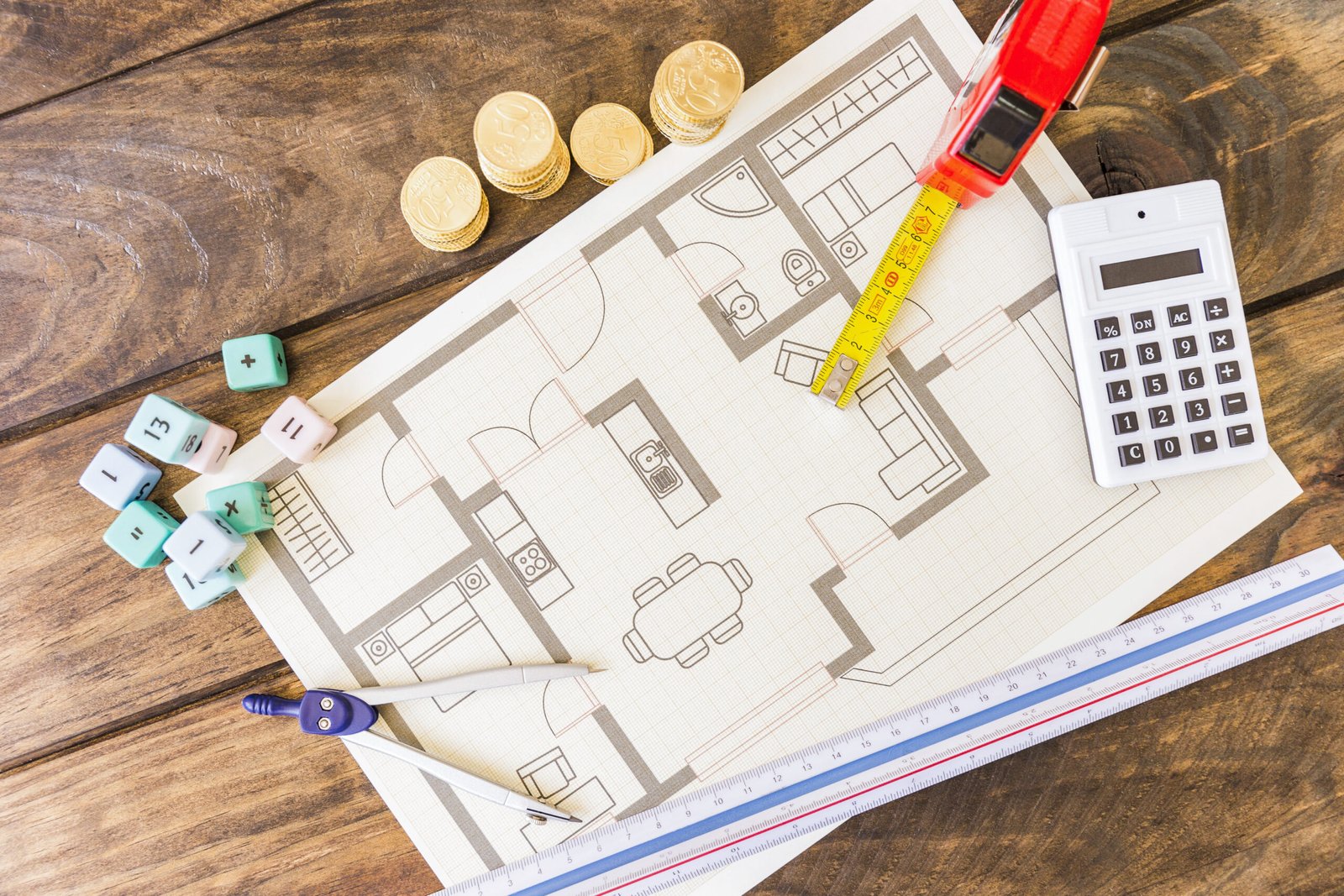
We sit at computers using design software, drawing your home in 2D, which is wild. It helps you see if that kitchen really feels too small or if the master bedroom gets enough space.
Behind the scenes, our engineer is doing math. Lots of math. Making sure walls can handle the weight, that nothing’s going to sag or crack, that your home will still be standing strong in 35 years.
Real talk: This part can feel slow. You’re excited, we get it. But trust us—finding a problem now when we can fix it with a mouse click is way better than discovering it when your walls are already up.
Choosing right Materials Actually Matters
Not all wood is the same, and we learned this the hard way years ago. These days, we’re pretty particular about what we use and where it comes from.
Here are the basics of the selection of wood:
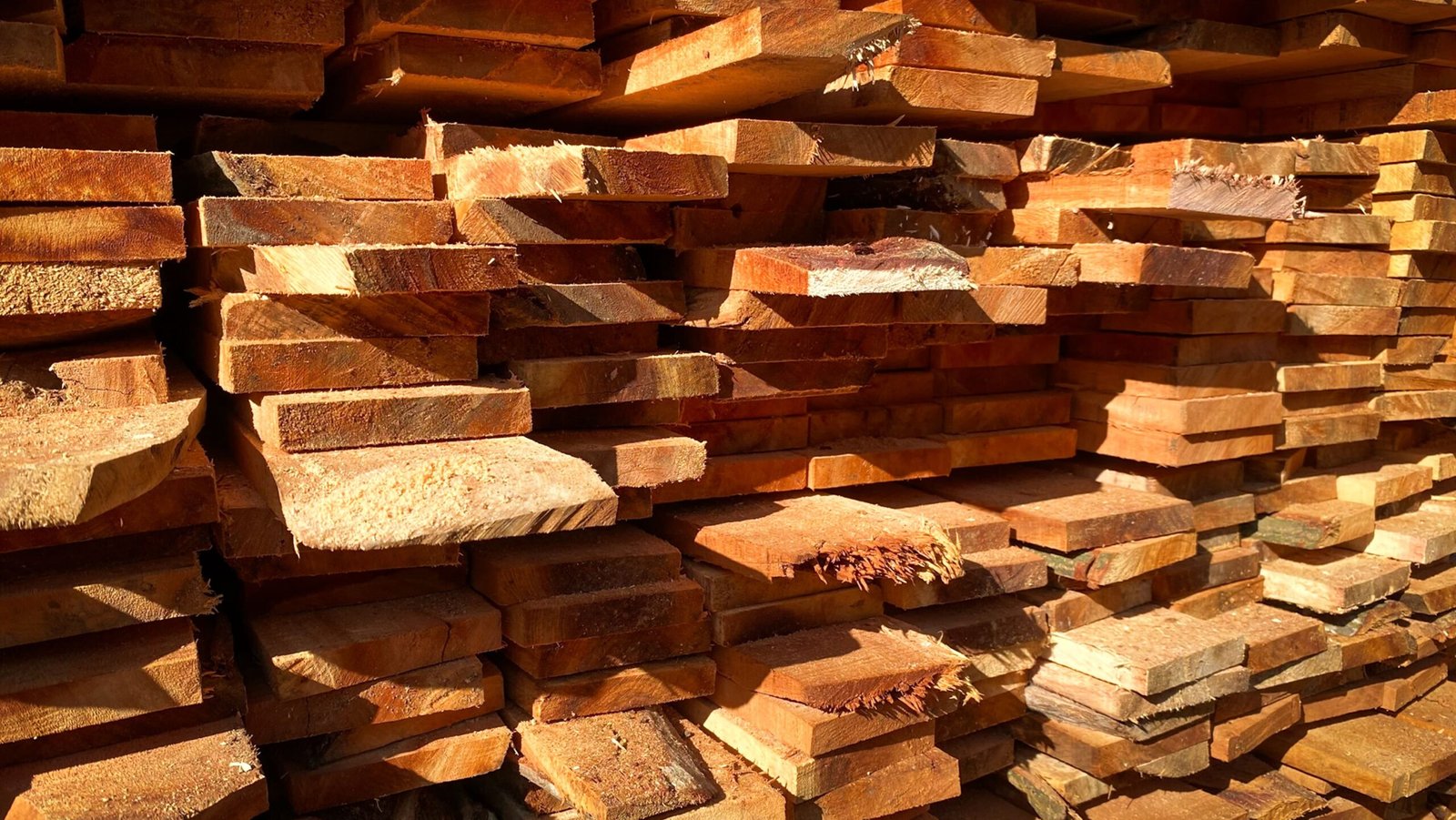
Some woods are workhorses like SPF[spruce pine and fir ]. They’re proven good for Indian challenging climatic conditions, easy to work with, perfect for framing and load bearing. So we use it outside and inside a lot.
We test the moisture content because nobody wants their beautiful new walls to warp six months after move-in. Been there, fixed that, never again.
A lot of our Canadian, Swedish, UK, German suppliers are logging responsibly now, which makes us feel better. We’re not trying to save the world single-handedly, but we’re also not trying to wreck it either.
You come to us with ideas. Maybe you’ve got Pinterest boards, or you sketched something, you just know you want “something cozy but modern.” All good starting points.
Our job is to take that and make it work in real life. Because here’s the thing—that beautiful floating staircase you saw online? It needs support. That huge open living room? The roof still has to rest on something for structural stability.
We sit at computers using design software, drawing your home in 2D, which is wild. It helps you see if that kitchen really feels too small or if the master bedroom gets enough space.
Behind the scenes, our engineer is doing math. Lots of math. Making sure walls can handle the weight, that nothing’s going to sag or crack, that your home will still be standing strong in 35 years.
Real talk: This part can feel slow. You’re excited, we get it. But trust us—finding a problem now when we can fix it with a mouse click is way better than discovering it when your walls are already up.
Choosing right Materials Actually Matters
Not all wood is the same, and we learned this the hard way years ago. These days, we’re pretty particular about what we use and where it comes from.
Here are the basics of the selection of wood:
Some woods are workhorses like SPF[spruce pine and fir ]. They’re proven good for Indian challenging climatic conditions, easy to work with, perfect for framing and load bearing. So we use it outside and inside a lot.
We test the moisture content because nobody wants their beautiful new walls to warp six months after move-in. Been there, fixed that, never again.
A lot of our Canadian, Swedish, UK, German suppliers are logging responsibly now, which makes us feel better. We’re not trying to save the world single-handedly, but we’re also not trying to wreck it either.